
Some walks stay with you. The Old Man of Coniston is one of them.
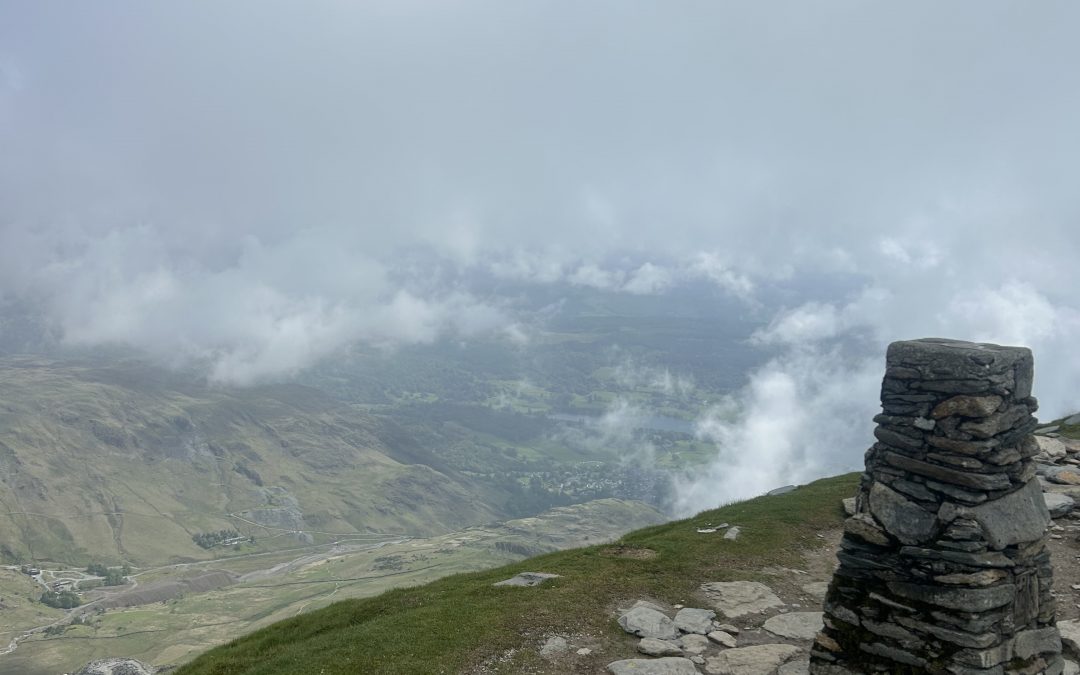
Last weekend, the team at Releva headed up to the Lake District for a weekend away. On Saturday, we laced up our boots and took on the Old Man of Coniston – the highest peak in the southern Lakes at 803m. Past Low Water Tarn, up through the old copper mining relics, and on to the summit cairn where the clouds rolled in and swallowed the valley below. It was exactly the kind of effort that reminds you why you do these things.
And then came the next morning.
If you’ve ever tackled a serious fell – 14.2km, over 1,000m of ascent across two summits, loose slate on the descent – you’ll know that the effort doesn’t fully announce itself until you try to walk down the stairs the following day. Tight quads, stiff calves, that familiar deep ache in the glutes that only eccentric downhill effort can produce.
The Route – What to Expect
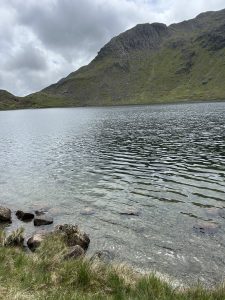
The classic route from Coniston village takes you past the copper mine ruins – a reminder that this landscape has been worked hard for centuries – and up alongside Low Water Tarn, a stunning high corrie lake that sits beneath the summit crags. From there it’s a rocky push to the top.
The stats tell you what your legs will confirm:
- Distance: 14.2km
- Elevation gain: 1,010m – Old Man of Coniston + Swirl How
- Terrain: Loose slate, rocky ridge, steep descent
- Time: 5-6 hours depending on pace and stops
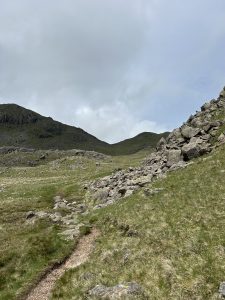
As Wainwright himself wrote about this fell – it retains a dignified bearing despite its quarried flanks, and raises its proud head to the sky. He wasn’t wrong. The views from the summit, when the cloud briefly lifts, are extraordinary. But the descent – down loose slate, knees taking the load – is where the body really earns it.
Why Fell Walking Hits Your Muscles So Hard
The soreness that follows a big fell walk isn’t just tiredness – it’s a specific physiological response. The descent is the key culprit. Walking downhill requires your muscles to work eccentrically – lengthening under load to control your descent – which creates significantly more micro-trauma in the muscle fibres than the climb itself.
This is what triggers DOMS – Delayed Onset Muscle Soreness – that deep ache that typically peaks 24-48 hours after effort. For a walk like the Old Man, the quads, calves and glutes take the bulk of the load on the way down. Add in the cumulative impact of kilometres of rocky terrain and you have the perfect recipe for a very stiff Sunday morning.
The good news – this is your body adapting. The bad news – it doesn’t have to feel quite as brutal as it does if you look after yourself properly in the hours after you get back to the car.
How We Recovered – and What Actually Helped
Here’s what we did in the hours after coming off the hill – and what we’d recommend for any serious walk of this kind.
- Hydration first. Fell walking dehydrates you more than you think, particularly on a cooler overcast day when you don’t feel the thirst. Water before anything else.
- Gentle movement rather than sitting down completely. A short walk around the village of Coniston – not another hill, just a gentle stroll – keeps the blood moving through tired muscles and helps ease that initial stiffness.
- Eat properly. Your muscles need protein and carbohydrates to begin repair. Steam Coniston, a fantastic (if unlikely) Bistro on a small industrial estate off Lake Road provided the necessary assistance here.
- Topical recovery that evening. This is where Releva came in – and where the difference was noticeable.
Where Releva Fits Into a Fell Walking Recovery Routine
That evening, we reached for Releva. Massaged into the quads, calves and glutes, it helped ease the tension that had built up through the day. After 1,000m of ascent and a long descent on loose slate, that’s not nothing.
We’re not claiming it replaces rest, nutrition or a decent physio. But as part of a proper post-walk routine, Releva is the kind of thing that makes the next outing feel a lot less distant.
Planning Your Own Coniston Trip
If the Old Man of Coniston is on your list – and it should be – here are a few practical notes from our weekend:
- Start from Coniston village or the Walna Scar car park. The village start adds distance but gives you a proper sense of the approach.
- The slate underfoot is the route’s biggest physical challenge – take your time on the descent and don’t rush it.
- Consider adding Swirl How to the route for a bigger day – the ridge between the two summits is one of the best stretches in the southern Lakes. Just factor in the extra distance and elevation (we clocked 14.2km and 1,010m all in).
- June through August is peak season – early starts mean quieter paths and clearer light.
- Pack your recovery kit. You’ll want it. A tub of Releva travels well and weighs nothing.
Source Links:
Old Man of Coniston: Lake District Trail Guide 2026 – stevecleverdon.com
Old Man of Coniston, one of the best walks in the Lake District – walkmyworld.com
Steam Coniston, Lake District Bistro, Bar & Kitchen – https://www.steamconiston.co.uk/
Ready to recover properly after your next big walk?
Try Releva Muscle Balm – natural recovery for the muscles that earn it. Order at relevahealth.com